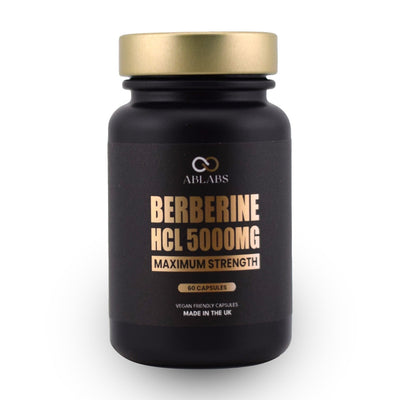
Berberine Supplement: What It Is, Benefits & Side Effects
 Published: Mar 16, 2026
 11 min. read
Table of Contents
A Berberine supplement is a product that is made from Berberine, which is a natural compound derived from plants such as Berberis vulgaris, goldenseal, and Chinese goldthread. People have used it in traditional Chinese and Ayurvedic medicine for centuries to treat digestive issues, infections, and metabolic disorders. Modern science shows that berberine can help regulate blood sugar, manage cholesterol, support weight loss, and improve overall metabolic health.
Quick Facts About Berberine Supplement
-
What it is: Berberine supplement is a plant-based alkaloid with a bitter taste and yellow color, extracted from herbs like barberry, goldenseal, and tree turmeric.
-
How it works: It activates AMPK (a key metabolic enzyme), helping regulate blood sugar, fat metabolism, and energy balance.
-
Main benefits: Supports blood sugar control, cholesterol management, weight management, and gut health.
-
Diabetes support: May help lower blood glucose levels, with effects often compared to metformin in some studies.
-
Weight management: Sometimes called “nature’s Ozempic,” though its effects are milder and more gradual.
-
Heart health: May help reduce LDL (bad cholesterol) and support healthy blood pressure.
-
Gut health: Traditionally used to support digestion and help manage certain gut-related issues.
-
Common side effects: Digestive issues such as diarrhea, constipation, gas, or stomach discomfort.
-
Absorption note: Has low bioavailability, meaning only a small amount is absorbed by the body.
-
Drug interactions: May interact with diabetes medications, blood thinners, statins, and other drugs.
-
Safety warning: Not recommended during pregnancy or breastfeeding without medical advice.
What Is Berberine?
Berberine is an isoquinoline alkaloid that works at a cellular level to influence metabolism, glucose absorption, and fat processing. It interacts with enzymes and receptors in the liver, muscle cells, and intestines to support healthy metabolic function.
Natural Sources of Berberine
-
Barberry (Berberis vulgaris)
-
Goldenseal (Hydrastis canadensis)
-
Chinese Goldthread (Coptis chinensis)
-
Tree Turmeric (Berberis aristata)
Forms Available
-
Capsules or tablets (500 mg typical dose)
-
Powdered extracts
-
Liquid tinctures
-
Combination supplements with other herbs
How Berberine Supplements Works in the Body
Berberine supplements influence metabolic health through multiple mechanisms.
Activates AMPK (Metabolic Master Switch)
Berberine stimulates AMP-activated protein kinase (AMPK), which regulates glucose and fat metabolism. Activation of AMPK improves energy balance and insulin sensitivity.
Regulates Blood Sugar
-
Increases insulin sensitivity in muscles and liver
-
Reduces glucose production in the liver (gluconeogenesis)
-
Enhances glucose uptake by cells
Supports Lipid Metabolism
-
Lowers LDL cholesterol and triglycerides
-
Increases HDL cholesterol
-
Reduces liver fat accumulation
Modulates Gut Microbiome
Berberine supplements positively influences gut bacteria, which can improve digestion, reduce inflammation, and enhance metabolism.
Key Health Benefits of Berberine Supplements
Controls Blood Sugar Levels
Clinical studies show berberine supplements reduces fasting blood glucose by 20–30 mg/dL and lowers HbA1c by up to 1–2%, making it effective for people with insulin resistance or type 2 diabetes.
Improves Heart Health
Berberine supplements improve lipid profiles, reduce cholesterol, and may lower blood pressure, supporting cardiovascular wellness.
Assists Weight Management
Berberine supplements support fat metabolism and help reduce visceral fat, which aids in weight loss for people with metabolic syndrome.
Supports Liver Health
Berberine supplements reduce fat accumulation in the liver and can help prevent or manage non-alcoholic fatty liver disease (NAFLD).
Provides Anti-Inflammatory and Antioxidant Effects
Berberine supplements reduce inflammation markers like C-reactive protein (CRP) and strengthen antioxidant defenses in cells.
Recommended Dosage and Usage
Typical Adult Dose
-
500 mg, 2–3 times daily, preferably with meals
-
Divide doses due to short half-life
Best Practices
-
Start with a lower dose to assess tolerance
-
Combine with lifestyle measures like balanced diet and exercise
-
Monitor blood sugar if you take other diabetes medications
Some possible Side Effects of Berberine supplements
Common Side Effects
-
Mild gastrointestinal discomfort: diarrhea, bloating, constipation
-
Nausea or mild headache
Rare Side Effects
-
Low blood sugar (especially when combined with medications)
-
Drug interactions with anticoagulants, antibiotics, or blood pressure medications
Safety Precautions
-
Avoid during pregnancy or breastfeeding unless advised
-
Consult a healthcare provider before combining with other medications
-
Do not exceed recommended dosage
Frequently Asked Questions (FAQs)
1. What exactly does berberine do for the body?
Berberine is a natural compound extracted from plants like goldenseal and barberry. It supports metabolic health by lowering blood sugar, improving insulin sensitivity, reducing "bad" LDL cholesterol, aiding weight loss, and fighting inflammation [1,2].
Key Benefits:
-
Blood Sugar & Insulin: Reduces insulin resistance and slows sugar production in the liver [1,3].
-
Heart Health: Helps lower cholesterol, triglycerides, and blood pressure while reducing inflammation [2,4].
-
Weight Management: Can aid in modest weight loss and reduction in waist circumference [2,5].
-
Gut Health & Antimicrobial Action: Supports a healthy gut by reducing harmful bacteria while protecting beneficial bacteria [6,7].
-
Anti-Inflammatory: Acts as an antioxidant and anti-inflammatory agent to support overall immune health [1,2].
Considerations: Digestive issues (diarrhea, gas, constipation), limited absorption in the bloodstream, and potential drug interactions. Always consult a healthcare professional before starting [1,8].
2. Does berberine supplements help you lose weight?
Yes, research shows berberine can support modest weight loss. Most studies report a reduction of 1–4 kg (2–9 lbs) over 8–12 weeks. It works by improving insulin sensitivity, activating metabolism-regulating enzymes (AMPK), and reducing fat accumulation [2,5,6].
Notes:
-
Often called “nature’s Ozempic,” but its effect is milder than prescription drugs [5].
-
Typical doses: 1,000–1,500 mg daily, split across meals [2,6].
-
Works best alongside diet and exercise.
-
Possible side effects: stomach discomfort, diarrhea, and constipation [1,8].
3. Is berberine like Ozempic?
Not exactly. Berberine is a natural supplement that improves metabolic health via AMPK activation, while Ozempic (semaglutide) is a prescription drug that mimics the GLP-1 hormone to suppress appetite and slow gastric emptying [5,9].
Key Differences:
-
Effectiveness: Berberine gives mild weight loss; Ozempic produces more significant, sustained results [5,9].
-
Appetite: Berberine does not strongly reduce hunger [5].
-
Accessibility: Berberine is OTC; Ozempic requires a prescription [5].
-
Side Effects: Both may cause gastrointestinal issues, but berberine is less strictly regulated [1,5].
4. Will berberine get rid of SIBO?
Berberine has antimicrobial properties that may help manage Small Intestinal Bacterial Overgrowth (SIBO), reducing harmful gut bacteria, though effectiveness varies [6,7].
5. What are the downsides of berberine supplements?
Berberine is generally safe for adults but can cause:
-
Digestive issues (diarrhea, constipation, gas, nausea) [1,8]
-
Low blood sugar when combined with diabetes medications [3,8]
-
Interactions with prescription drugs (blood thinners, cyclosporine, statins) [8,9]
-
Unsuitable for pregnant/breastfeeding individuals and infants [1,8]
-
Limited long-term safety data [1,2]
6. Is berberine just turmeric?
No. Both are plant-derived but have different chemical structures and benefits. Berberine supports metabolic health, while turmeric is mainly anti-inflammatory [1,2].
7. What should I avoid while taking berberine supplements?
Avoid combining berberine with:
-
Diabetes medications [3,8]
-
Blood thinners [8,9]
-
Immunosuppressants [8]
-
Statins [8,9]
-
Blood pressure medications [8]
-
Sedatives [8]
-
Liver-metabolized drugs [8]
Also avoid during pregnancy, breastfeeding, or in infants [1,8].
8. Can I take berberine supplements with vitamin D or other supplements?
Yes, berberine can generally be taken with vitamin D and other supplements. For best absorption, some experts suggest spacing berberine and fat-soluble vitamins apart [2,10].
9. What is the best time of day to take berberine supplements?
Take before or with meals to control blood sugar spikes and reduce digestive side effects. Dividing the dose throughout the day maintains steady levels [2,6].
10. How long will it take to see weight loss results with berberine supplements?
-
Early metabolic changes: Within 2–4 weeks [2,5]
-
Noticeable weight loss: Around 8–12 weeks [2,5]
-
Typical loss: Modest weight and waist reduction
Works best alongside healthy eating and exercise [2,5].
12. What organs or systems is berberine hard on?
-
Digestive system: Stomach upset, diarrhea, constipation [1,8]
-
Liver: Can interact with liver-metabolized medications [8]
-
Blood sugar regulation: May lower blood sugar too much with diabetes drugs [3,8]
13. Does berberine supplements ruin gut health?
No. Berberine supplements supports gut health by balancing gut bacteria and promoting short-chain fatty acid-producing bacteria [6,7].
14. Does caffeine interfere with berberine supplements?
Caffeine may reduce some berberine effects, especially antimicrobial or anti-cancer, but general metabolic benefits are minimally affected [6,7].
15. Can I take berberine supplements long term?
Long-term studies are limited. While generally safe at standard doses, rare cases show mild liver enzyme or kidney marker changes. Best under supervision [1,2,8].
16. Does berberine supplements affect bowel movements?
Yes. Berberine supplements may increase bowel movements or cause diarrhea due to gut microbiota effects. Starting with a lower dose (300–500 mg) with meals can reduce discomfort [1,8].