What Are the Benefits of Magnesium Capsules? A Complete Guide
 Published: Mar 19, 2026
 11 min. read
Table of Contents
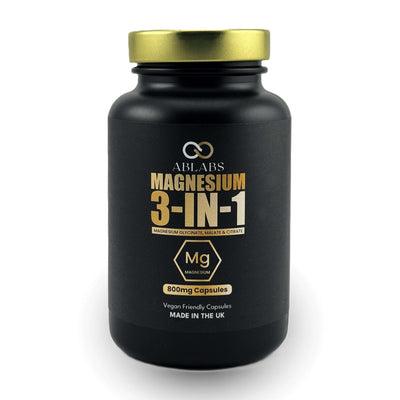
Magnesium capsules offer a wide range of health benefits, making them a popular daily supplement. They help support muscle and nerve function, improve sleep quality, and boost energy levels. Magnesium also plays an important role in maintaining heart health, strengthening bones, and reducing stress and anxiety, helping your body stay balanced and healthy.
Top Health Benefits of Magnesium Capsules:
-
Supports muscle function and reduces cramps
-
Improves sleep quality
-
Supports heart health
-
Helps manage stress and anxiety
-
Supports bone health
-
Helps regulate blood sugar
-
Supports energy production
Quick Facts About Magnesium Capsules
-
Supports over 300 biochemical reactions in the body.
-
Improves sleep quality and promotes relaxation by regulating melatonin and calming the nervous system.
-
Reduces muscle cramps, tension, and spasms.
-
Maintains healthy bone density by aiding calcium absorption.
-
Supports heart and cardiovascular health, including steady heartbeat and lower blood pressure.
-
Eases anxiety and supports mental health.
-
Helps convert food into energy and regulate blood sugar.
-
May reduce the frequency of migraines.
-
Common forms:
-
Magnesium Glycinate: Highly absorbable, ideal for sleep and anxiety.
-
Magnesium Citrate: Good absorption, often used for constipation.
-
Magnesium Oxide: Used for headaches and constipation, lower absorption rate.
Overview of Magnesium
Magnesium is an essential mineral that plays a key role in over 300 biochemical reactions in the human body. Many people do not get enough magnesium from their diet, which increases interest in magnesium capsules as a convenient supplement option.
Magnesium capsules can support muscle function, nerve health, sleep quality, and heart health. This guide explains the benefits, how magnesium works, proper dosage, side effects, and answers common user questions.
What Is Magnesium and Why Does Your Body Need It?
Magnesium supports vital bodily functions, including energy production, muscle contraction, and nerve signaling. Your body cannot produce magnesium on its own, so you must obtain it through food or supplements.
Key Functions of Magnesium
-
Supports muscle and nerve function
-
Maintains a steady heartbeat
-
Helps produce energy (ATP)
-
Regulates blood sugar levels
-
Contributes to bone structure
Signs of Magnesium Deficiency
-
Muscle cramps or spasms
-
Fatigue or weakness
-
Poor sleep quality
-
Irregular heartbeat
-
Anxiety or irritability
What Are Magnesium Capsules?
Magnesium capsules provide a concentrated and convenient way to increase magnesium intake. Manufacturers combine magnesium with different compounds to improve absorption.
Common Forms of Magnesium in Capsules
-
Magnesium citrate which supports digestion and absorption
-
Magnesium glycinate which promotes relaxation and sleep
-
Magnesium oxide, which contains high elemental magnesium
-
Magnesium malate, which supports energy production
Top Health Benefits of Magnesium Capsules
Magnesium capsules offer several science-backed health benefits when used correctly.
Supports Muscle Function and Reduces Cramps
Magnesium helps muscles relax after contraction. Athletes and active individuals often use magnesium capsules to reduce cramps and muscle soreness.
How It Works
Magnesium regulates calcium flow in muscle cells, preventing excessive contraction.
Improves Sleep Quality
Magnesium promotes relaxation and supports better sleep patterns.
Sleep Mechanism
Magnesium helps regulate neurotransmitters and supports melatonin production.
Who May Benefit Most
-
People with insomnia
-
Individuals with stress-related sleep issues
Supports Heart Health
Magnesium plays a critical role in maintaining cardiovascular health.
Key Effects on the Heart
-
Regulates heart rhythm
-
Supports healthy blood pressure
-
Reduces risk of cardiovascular disease
Helps Manage Stress and Anxiety
Magnesium supports the nervous system and helps regulate stress hormones.
Brain and Nervous System Support
Magnesium influences neurotransmitters like GABA, which promote calmness.
Supports Bone Health
Magnesium contributes to bone density and works alongside calcium and vitamin D.
Bone Formation
Magnesium helps activate vitamin D, which improves calcium absorption.
Helps Regulate Blood Sugar
Magnesium improves insulin sensitivity and supports glucose metabolism.
Benefits for Metabolic Health
People with low magnesium levels often show higher risk of insulin resistance.
Supports Energy Production
Magnesium plays a key role in converting food into energy.
Cellular Energy
Magnesium activates ATP, which fuels cellular processes.
Practical Insight
Low magnesium levels often lead to fatigue and low energy.
How to Take Magnesium Capsules
Recommended Dosage
-
Adult men: 400–420 mg per day
-
Adult women: 310–320 mg per day
Best Time to Take Magnesium
-
Take in the evening for better sleep
-
Take with meals to improve absorption
Tips for Better Absorption
-
Choose highly bioavailable forms like glycinate or citrate
-
Avoid taking with high doses of zinc or calcium at the same time
Are Magnesium Capsules Safe?
Magnesium capsules are generally safe when taken in recommended amounts.
Common Side Effects
-
Diarrhea (especially with magnesium citrate or oxide)
-
Stomach discomfort
-
Nausea
Who Should Be Careful?
-
People with kidney disease
-
Individuals taking medications (e.g., diuretics, antibiotics)
Safety Guidelines
-
Do not exceed recommended dosage
-
Consult a healthcare provider if you take medications
Natural Food Sources of Magnesium
-
Leafy greens (spinach, kale)
-
Nuts and seeds
-
Whole grains
-
Legumes
Frequently Asked Questions
1. What are the benefits of taking magnesium tablets?
Magnesium supports multiple body systems. It helps:
-
Maintain normal muscle and nerve function
-
Support steady heart rhythm
-
Promote bone health
-
Regulate blood sugar
-
Improve sleep quality
-
Reduce symptoms of anxiety and stress
2. What are the 7 signs your body needs magnesium?
Signs of low magnesium include:
-
Muscle cramps or spasms
-
Fatigue or weakness
-
Trouble sleeping
-
Anxiety or irritability
-
Headaches
-
Irregular heartbeat
-
Numbness or tingling
3. Does magnesium help lymphatic drainage?
Magnesium may support lymphatic function indirectly by reducing inflammation and promoting muscle relaxation. It helps overall fluid balance and circulation, which can benefit the lymphatic system.
4. Can I take magnesium with HRT (Hormone Replacement Therapy)?
Most people taking hormone replacement therapy can take magnesium, but they should consult a healthcare provider first. Magnesium generally does not interfere with HRT.
5. What are the signs of lacking magnesium?
Signs include:
-
Muscle cramps
-
Restless legs
-
Fatigue
-
Poor sleep
-
Headaches
-
Mood changes
-
Heart palpitations
6. What happens if I take magnesium every day?
When taken within recommended daily amounts, magnesium supports bone health, muscle relaxation, sleep, and metabolism. Excessive intake may cause diarrhea or digestive discomfort.
7. What do you crave when low on magnesium?
People low in magnesium may crave:
-
Chocolate
-
Nuts and seeds
-
Dark leafy greens
-
Whole grains
8. What organ is most affected by magnesium?
The heart is the most magnesium-sensitive organ. Low magnesium can lead to arrhythmias and palpitations.
9. What happens if you take magnesium when not needed?
Excess magnesium is usually excreted in urine. Mild digestive upset or diarrhea may occur, but serious problems are rare.
10. Is there a downside to taking magnesium?
Downsides include:
-
Diarrhea (especially with magnesium oxide or citrate)
-
Mild gastrointestinal discomfort
-
Interaction with certain drugs
-
Overuse may affect kidney function in susceptible individuals
11. What should you not mix with magnesium?
Avoid combining magnesium with:
-
High doses of calcium
-
Certain antibiotics (e.g., tetracyclines)
-
Bisphosphonates
12. Does vitamin D affect magnesium levels?
Yes — vitamin D helps increase magnesium absorption. Magnesium also supports the conversion of vitamin D into its active form.
13. What drink is high in magnesium?
Magnesium-rich drinks include:
-
Mineral water
-
Cocoa or dark chocolate drinks
-
Almond or soy milk
-
Smoothies with spinach or pumpkin seeds
14. What fruits are high in magnesium?
Fruits containing magnesium:
-
Avocado
-
Banana
-
Dried figs
-
Kiwi
-
Blackberries
15. What drains magnesium from your body?
Magnesium loss increases with:
-
High stress
-
Excessive alcohol
-
High sugar intake
-
Certain medications
-
Urinary magnesium loss
16. What are the 11 signs you have low magnesium?
-
Muscle cramps
-
Fatigue
-
Trouble sleeping
-
Headaches
-
Anxiety
-
Loss of appetite
-
Nausea
-
Weakness
-
Irritability
-
Heart palpitations
-
Numbness or tingling
17. Who needs magnesium?
People who may benefit:
-
Athletes
-
People with stress or sleep issues
-
Those with digestive disorders
-
Older adults
-
People with type 2 diabetes
18. What happens if I take magnesium but don’t need it?
Your body will typically excrete the excess, though mild digestive upset may occur.
19. Why are so many people taking magnesium?
Magnesium helps:
-
Relieve muscle cramps
-
Improve sleep
-
Reduce stress
-
Support metabolism, heart, and nerve function
20. What happens when you first start taking magnesium?
Initial effects may include:
-
Better muscle relaxation
-
Improved sleep
-
Reduced cramps
-
Mild digestive changes
21. What are the nine warning signs of magnesium deficiency?
-
Muscle cramps
-
Fatigue
-
Numbness
-
Insomnia
-
Anxiety
-
Headaches
-
Loss of appetite
-
Heart rhythm changes
-
High blood pressure
22. How to tell when your body needs magnesium?
Watch for:
-
Frequent cramps
-
Sleep issues
-
Low energy
-
Irregular heartbeat A blood test can confirm deficiency.
23. Is it better to take magnesium in the morning or night?
Taking magnesium at night may help with sleep and relaxation. Morning doses may support energy. Some prefer split dosing.
24. Who should not take magnesium?
People with:
-
Kidney disease
-
Heart block
-
Certain medications
Consult a healthcare provider before taking magnesium.
25. What are the top 3 uses for magnesium?
-
Muscle relaxation and cramp relief
-
Improved sleep and relaxation
-
Support for heart and nerve function