Best Liver Supplements for Fatty Liver
 Published: Mar 10, 2026
 9 min. read
Table of Contents
Fatty liver disease occurs when excess fat builds up in the liver. It is commonly linked to poor diet, obesity, insulin resistance, and alcohol consumption. In its early stages, fatty liver often shows no symptoms, but over time it may affect liver function if not managed properly. (9)
Lifestyle changes such as improving diet, increasing physical activity, and reducing alcohol intake remain the most effective approach. However, certain supplements may support liver health by reducing oxidative stress, improving fat metabolism, and supporting normal liver function.
This guide explains the best supplements for fatty liver, how they work, and what current research says about their effectiveness.
Supplements for Fatty Liver
Research-Based Supplements for Liver Support
Research highlights several supplements that may support liver health, especially in fatty liver conditions. These include:
- Milk Thistle (Silymarin)
- N-Acetyl Cysteine (NAC)
- Turmeric (Curcumin)
- Artichoke Extract
- Dandelion Root
- Antioxidants and metabolic support compounds (9)
These ingredients work through different pathways such as reducing oxidative stress, supporting fat metabolism, and maintaining normal liver function. (9)
Understanding Fatty Liver and Why Supplements May Help
Fatty liver (non-alcoholic fatty liver disease or NAFLD) develops when the liver stores more fat than it can process. This condition is closely linked to: (11)
- Insulin resistance
- Obesity and metabolic syndrome
- Poor dietary habits
- Chronic inflammation
The liver plays a key role in detoxification, fat metabolism, and nutrient processing. When fat accumulates, oxidative stress and inflammation increase, which may damage liver cells over time. (10)
Certain supplements may help by:
- Reducing oxidative stress
- Supporting fat metabolism
- Improving insulin sensitivity
- Supporting liver enzyme balance
However, supplements should support, not replace, lifestyle changes. (1)
Top Supplements for Fatty Liver
-
Milk Thistle (Silymarin)
Milk thistle contains silymarin, a group of plant compounds with antioxidant and anti-inflammatory properties. It helps protect liver cells from toxins and oxidative damage. (11)
Research and Benefits
Research suggests that milk thistle may:
- Improve liver enzyme levels
- Protect liver cells from damage
- Support liver regeneration
Some clinical studies show improvements in liver function markers in people with liver conditions, although results vary. (2)
-
Omega-3 Fatty Acids
Omega-3 fatty acids help regulate fat metabolism and reduce inflammation. They play a role in lowering triglyceride levels and improving metabolic health.
Research and Benefits
Studies show omega-3 supplementation may:
- Reduce liver fat accumulation
- Improve lipid profiles
- Lower inflammation markers
Omega-3s are one of the more consistently supported supplements for fatty liver management. (3)
Vitamin E is a fat-soluble antioxidant that protects cells from oxidative stress, which is a key factor in fatty liver progression. (11)
Research and Benefits
Clinical research suggests that vitamin E may:
- Reduce liver inflammation
- Improve liver enzyme levels
- Support liver cell protection
Some guidelines recommend vitamin E for certain non-diabetic individuals with fatty liver, under medical supervision. (4)
Curcumin, the active compound in turmeric, has strong anti-inflammatory and antioxidant properties. It may influence fat metabolism and reduce inflammation in the liver.
Research and Benefits
Studies suggest curcumin may:
- Reduce liver fat levels
- Improve liver enzyme markers
- Lower inflammation
However, bioavailability varies, and more large-scale human studies are needed. (5)
-
Probiotics
Probiotics support the gut microbiome, which directly influences liver health through the gut-liver axis.
Research and Benefits
Research indicates probiotics may:
- Improve gut bacteria balance
- Reduce inflammation
- Improve liver enzyme levels
Some studies show positive effects in people with fatty liver, especially when combined with diet changes. (6)
-
Green Tea Extract
Green tea extract contains catechins, powerful antioxidants that support fat metabolism and reduce oxidative stress.
Research and Benefits
Studies suggest green tea extract may:
- Reduce liver fat
- Improve liver enzyme levels
- Support weight management
Regular consumption of green tea has also been associated with improved liver health. (7)
NAC helps increase glutathione, one of the body’s most important antioxidants for detoxification and liver protection.
Research and Benefits
Research shows NAC may:
- Reduce oxidative stress
- Improve liver enzyme levels
- Support detoxification pathways
Some studies suggest NAC may provide benefits similar to vitamin E in fatty liver management. (8)
Liver Support Supplements That Combine These Ingredients
Instead of taking multiple individual supplements, some formulations combine several Research-based ingredients into a single product for more comprehensive support.
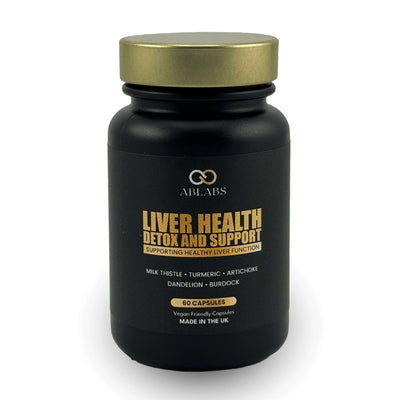
This formula includes multiple compounds commonly studied for liver support:
- Milk Thistle (Silymarin) → Supports liver cell protection and antioxidant activity
- Dandelion Root → Supports bile flow and digestive function
- Turmeric (Curcumin) → Helps manage inflammation and oxidative stress
- Artichoke Extract → Supports fat digestion and cholesterol balance
- Choline → Supports normal fat metabolism in the liver
This type of formulation provides multi-pathway support, meaning it targets several aspects of liver function at once:
- Antioxidant defense
- Fat metabolism
- Digestive support
- Nutrient absorption
This structured stack combines:
- Liver support formula
- N-Acetyl Cysteine (NAC)
- Activated Charcoal
- NAC → Supports glutathione production (key antioxidant)
- Activated Charcoal → Binds certain compounds in the digestive tract (timing-sensitive)
- Liver formula → Provides herbal and metabolic support
When It May Be Used
This type of stack is often used during:
- Short-term “reset” phases
- Periods of improved diet and reduced alcohol intake
- Structured wellness routines
Are Supplements Enough to Reverse Fatty Liver?
Supplements alone cannot reverse fatty liver. Research consistently shows that the most effective strategies include:
- Weight loss (5–10% body weight reduction)
- Balanced diet (low sugar, healthy fats)
- Regular physical activity
- Reduced alcohol intake
Supplements work best as supportive tools alongside these lifestyle changes. (1)
How to Choose the Right Liver Supplement
When selecting supplements for fatty liver, consider:
- Research-based ingredients (milk thistle, omega-3, NAC)
- Clinically studied dosages
- Product quality and testing
- Avoiding unnecessary additives
Combination supplements may provide broader support, but quality and formulation matter.
Safety and Side Effects
Most liver supplements are generally safe when used appropriately, but potential issues include:
- Digestive discomfort (common with some supplements)
- Interactions with medications
- High-dose vitamin E risks if misused
- Allergic reactions in sensitive individuals
Always consult a healthcare professional before starting supplements, especially if you have a diagnosed liver condition.
Final Words
The best supplements for fatty liver include milk thistle, omega-3 fatty acids, vitamin E, turmeric, probiotics, green tea extract, and NAC. These supplements may support liver health by reducing inflammation, improving fat metabolism, and protecting liver cells.
However, the foundation of fatty liver management remains lifestyle changes, including a healthy diet, exercise, and weight control. Supplements can enhance results, but they should not replace medical advice or treatment. So in short…
The best approach to managing fatty liver includes the following:
- Healthy diet
- Regular exercise
- Weight management
- Reduced alcohol intake
Supplements like those found in Ablabs liver support formulas may provide additional support, especially when they include research-backed ingredients such as milk thistle, NAC, and turmeric.
However, long-term liver health depends on consistent lifestyle changes, not supplements alone.