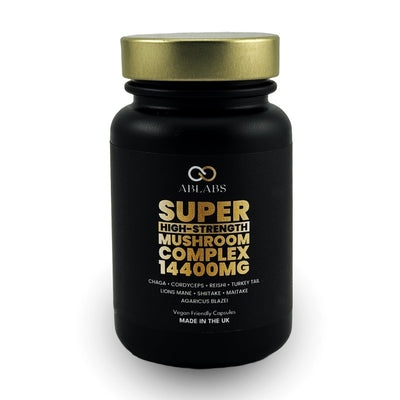
Medicinal Mushrooms Overview: Benefits, Types, Uses and effectiveness
 Published: Apr 01, 2026
 27 min. read
Table of Contents
Medicinal mushrooms contain bioactive polysaccharides (especially β‑glucans) and unique small molecules (triterpenes, erinacines, cordycepin, etc.) that modulate immunity, inflammation, and cell signaling.
Medicinal mushrooms have been used for centuries in traditional medicine systems; they are gaining global attention for their potential health benefits. From immune support to cognitive health, these fungi contain bioactive compounds that interact with multiple biological systems.
How effective are they, and what insights does current scientific evidence provide?
This guide provides a comprehensive, research-based overview of medicinal mushrooms, including their mechanisms, clinical uses, safety considerations, and research limitations.
Quick Facts About Medicinal Mushroom Supplements
-
What they are: Medicinal mushroom supplements are functional extracts made from health-promoting mushrooms, designed to support immunity, boost energy, improve focus, and reduce stress.
-
Popular medicinal mushrooms:
-
Lion’s Mane: Supports cognitive function, memory, and concentration.
-
Reishi: An adaptogen used for stress relief, immune support, and better sleep.
-
Cordyceps: Enhances energy, stamina, and oxygen utilization.
-
Turkey Tail: Supports immune system and gut health.
-
Chaga: Rich in antioxidants with anti-inflammatory properties.
-
Forms available: Capsules, powders, gummies, often containing concentrated bioactive compounds like beta-glucans.
-
Extraction methods: Hot water extraction is ideal for beta-glucans (immune support), while alcohol extraction works best for triterpenes (Reishi, Chaga).
-
Quality matters: High-quality supplements use the fruiting body rather than mycelium on grain for higher potency.
-
Usage tips:
-
Morning: Cordyceps or Lion’s Mane for energy and mental focus.
-
Evening: Reishi for calming and sleep support.
-
Safety: Generally safe, but should be avoided by individuals with mushroom allergies.
Note: This guide focuses on medicinal mushrooms, the natural source of most mushroom supplements. Supplements, made from mushrooms like Reishi, Lion’s Mane, and Cordyceps, provide the same health benefits, including immune support, energy, focus, and stress relief, in a convenient form
What Are Medicinal Mushrooms?
Medicinal mushrooms are fungi that contain biologically active compounds believed to support health and physiological function. These include polysaccharides (especially β-glucans) and unique secondary metabolites such as triterpenes, erinacines, hericenones, and cordycepin, which influence immune activity, inflammation, and cellular signalling pathways.
Key bioactive components include:
-
β-glucans (β-(1,3/1,6)-glucans): Immunomodulatory polysaccharides that activate immune cells
-
Triterpenes: Anti-inflammatory and cytotoxic compounds (e.g., ganoderic acids)
-
Erinacines & hericenones: Neurotrophic compounds supporting nerve growth
-
Cordycepin: A nucleoside analogue linked to energy metabolism and cellular signalling
These compounds interact with immune receptors and biochemical pathways, forming the basis of their proposed therapeutic effects.
Medicinal Mushrooms: Overview and Key Findings
Medicinal mushrooms contain a wide range of bioactive compounds that influence immune modulation, inflammation, and cellular communication. Clinical evidence is mixed. Systematic reviews and randomized controlled trials show moderate support for improving the immune system and quality of life (especially in cancer patients). However, there is still not enough evidence to support claims about cognition, fatigue, and metabolic effects. Most studies are small, short-term, or heterogeneous in design.
Researchers frequently administer standardized extracts, usually characterized by their β-glucan or marker compound content, at doses ranging from 1 to 9 g/day (whole mushroom powder) or their equivalent extracts. Adverse effects are generally mild (e.g., gastrointestinal upset, rash), although rare hepatotoxicity and bleeding risks have been reported. Certain mushrooms, particularly Ganoderma lucidum, may inhibit cytochrome P450 enzymes and interact with medications such as anticoagulants, antihypertensives, and antidiabetic drugs [19][20].
Quality control—including standardization, contaminant testing, and third-party certification—is essential for safe use. Regulatory frameworks differ globally. In the United States, these products are marketed as dietary supplements without FDA approval. In Canada, they require Natural Product Numbers (NPNs) [1][2], while in Australia, therapeutic products are regulated as TGA-listed complementary medicines [3][4].
How Do Medicinal Mushrooms Work?
Medicinal mushrooms exert their effects through multiple biological mechanisms, largely identified through in vitro and preclinical studies.
Immune System Support
β-glucans bind to receptors such as Dectin-1 and Toll-like receptors (TLRs) on macrophages and dendritic cells, stimulating cytokine production and enhancing natural killer (NK) cell and T-cell activity [7].
Anti-Inflammatory Effects
Triterpenes, particularly from Ganoderma lucidum, modulate inflammatory pathways such as NF-κB, reducing pro-inflammatory signalling and supporting immune balance [5].
Brain & Nerve Support
Compounds from Hericium erinaceus (erinacines and hericenones) stimulate nerve growth factor (NGF) synthesis, supporting neuroprotection and cognitive function [8].
Cellular Protection
Many medicinal mushrooms exhibit antioxidant properties, helping to reduce oxidative stress and protect cellular structures.
Most mechanisms are supported by laboratory and early-stage studies, with limited large-scale human validation.
Common Medicinal Mushrooms and Their Benefits
Reishi (Ganoderma lucidum)
Known for: Immune support, stress reduction
Ganoderma lucidum (Reishi) is one of the most extensively studied medicinal mushrooms, containing bioactive compounds such as lanostane-type triterpenes (ganoderic acids) and β-glucans, which exhibit immunomodulatory, anti-inflammatory, and potential cytotoxic properties [5]. These compounds interact with immune pathways, including cytokine signalling and macrophage activation, contributing to immune system regulation [5][7].
Clinical evidence suggests moderate benefits, particularly in oncology settings, where Reishi supplementation has been associated with improved quality of life, enhanced immune markers, and better tolerance to chemotherapy, although no consistent survival benefit has been demonstrated [9].
Reishi is traditionally used for fatigue, stress reduction, and general wellness, with adaptogenic properties proposed to support physiological resilience under stress conditions [5].
Typical dosing ranges from approximately 1–9 g/day of dried mushroom powder or 1–3 g/day of standardized extract, depending on formulation and β-glucan concentration [18].
Reishi is generally well tolerated; however, reported adverse effects include mild gastrointestinal discomfort, dizziness, and skin rash, with rare cases of hepatotoxicity documented in clinical reports [1]. Additionally, Reishi may increase bleeding risk due to its potential anticoagulant effects, and caution is advised when used alongside antiplatelet or anticoagulant medications [11].
Lion’s Mane (Hericium erinaceus)
Known for: Cognitive and neurological support
Hericium erinaceus (Lion’s Mane) contains unique neuroactive compounds, including hericenones and erinacines, which have been shown to stimulate nerve growth factor (NGF) synthesis and promote neuronal differentiation and survival [6][8]. These mechanisms are associated with neuroprotection, synaptic plasticity, and potential cognitive enhancement.
Preclinical studies strongly support its neuroprotective effects, while small randomized controlled trials have demonstrated modest improvements in cognitive function, memory, and mood in individuals with mild cognitive impairment [12][13]. However, these studies are limited by small sample sizes and short durations.
Lion’s Mane is widely used for supporting memory, focus, and nerve regeneration, with emerging interest in its role in neurodegenerative conditions.
Typical dosing ranges from 1–3 g/day of dried powder or extract, depending on product standardization [2].
It is generally considered safe, with occasional reports of mild gastrointestinal discomfort or allergic reactions in sensitive individuals [14].
Cordyceps (Cordyceps sinensis / Cordyceps militaris)
Known for: Energy, endurance, and performance
Cordyceps species contain bioactive compounds such as cordycepin (3′-deoxyadenosine), adenosine, and polysaccharides, which are involved in cellular energy metabolism, mitochondrial function, and oxygen utilization [15]. These compounds are believed to enhance ATP production and improve physiological efficiency during physical exertion.
Clinical studies, particularly in athletic populations, suggest that Cordyceps supplementation (typically 2–3 g/day) may improve aerobic capacity (VO₂max), endurance performance, and fatigue recovery, although findings are not entirely consistent across studies [15].
Traditionally, Cordyceps has been used to support respiratory function, stamina, and libido, reflecting its role as an adaptogenic and energy-supporting agent.
Typical dosing ranges from 1–3 g/day of extract or powder.
Cordyceps is generally well tolerated, with mild side effects such as dry mouth, nausea, or diarrhea reported in some individuals. Due to its potential immunomodulatory effects, caution is advised in autoimmune conditions.
Turkey Tail (Trametes versicolor)
Known for: Immune support and cancer adjunct therapy
Trametes versicolor (Turkey Tail) is rich in protein-bound polysaccharides, particularly polysaccharide-K (PSK) and polysaccharopeptide (PSP), which have well-documented immunomodulatory effects [7]. These compounds enhance immune function by increasing cytokine production, activating NK cells, and improving T-cell responses [7].
PSK has been used clinically in Japan as an approved adjunct to cancer therapy, with studies demonstrating improved survival rates in certain cancers (e.g., gastric cancer) when combined with chemotherapy [7]. Additionally, systematic reviews indicate improvements in quality of life and immune parameters, although study quality varies [10].
Turkey Tail is also associated with gut health benefits due to its potential prebiotic effects on the microbiome.
Typical dosing includes approximately 3 g/day of PSK extract or higher amounts (5–10 g/day) when consumed as whole mushroom preparations.
It is generally well tolerated, with mild gastrointestinal effects (e.g., dark stools, bloating) and rare allergic reactions reported.
Chaga (Inonotus obliquus)
Known for: Antioxidant and anti-inflammatory properties
Inonotus obliquus (Chaga) contains a range of bioactive compounds, including betulinic acid, inotodiol, polysaccharides, and melanin complexes, which contribute to its strong antioxidant and anti-inflammatory activity.
Most evidence for Chaga is derived from in vitro and animal studies, demonstrating free radical scavenging, immune modulation, and potential anticancer properties; however, high-quality human trials are lacking.
Chaga is commonly used for general immune support and oxidative stress reduction.
Typical dosing ranges from 500 mg to 1 g/day of extract or as a tea preparation.
Safety considerations include its high oxalate content, which may increase the risk of kidney stones with prolonged or excessive use. Additionally, contamination with heavy metals has been reported in wild-harvested sources, highlighting the importance of product quality control.
Shiitake (Lentinula edodes)
Known for: Immune and cardiovascular support
Lentinula edodes (Shiitake) contains lentinan, a β-glucan with immunomodulatory effects, and eritadenine, a compound associated with cholesterol-lowering activity. Lentinan has been used clinically as an adjunct therapy in cancer treatment, particularly in Asia, where it enhances immune function and may improve treatment outcomes.
Shiitake is widely consumed as a dietary mushroom and contributes to immune health, cardiovascular support, and general nutrition.
While cooked shiitake is considered safe, raw or undercooked forms may cause “shiitake dermatitis,” a hypersensitivity reaction characterized by skin rash. Mild gastrointestinal symptoms may also occur in some individuals.
Maitake (Grifola frondosa)
Known for: Immune modulation and metabolic support
Grifola frondosa (Maitake) contains D-fraction β-glucans, which exhibit immunomodulatory effects through activation of macrophages, NK cells, and other immune components.
Preclinical and limited human studies suggest potential benefits in blood glucose regulation and metabolic health; however, evidence remains limited and inconsistent.
Maitake is commonly used as a supportive supplement for immune health and metabolic balance.
Typical dosing ranges from 3–5 g/day of extract, depending on the concentration of active polysaccharides.
It is generally well tolerated, although it may influence blood sugar and blood pressure levels, requiring caution in individuals on related medications.
Clinical Evidence and Uses
Immunity and Infection
A substantial body of preclinical and clinical research suggests that medicinal mushrooms exert immunomodulatory effects, particularly through the activation of innate and adaptive immune responses. Research shows that both healthy and immunocompromised people have higher natural killer (NK) cell activity after taking mushroom-derived polysaccharides. This also boosts cytokine production, like IL-2 and IFN-γ, and improves macrophage and T-cell function [7][10].
Trametes versicolor (Turkey Tail), specifically its polysaccharide-K (PSK) extract, is approved in Japan as an adjunct to conventional cancer therapy and has been widely studied in this context. Clinical trials have reported improved survival outcomes in gastric cancer patients when PSK is used alongside chemotherapy, likely due to enhanced immune surveillance and tumor response [7].
Similarly, Ganoderma lucidum (Reishi) has been evaluated in randomized controlled trials. A Cochrane review of available studies concluded that Reishi, when used in combination with chemotherapy, may improve tumor response rates and patient-reported quality of life; however, no statistically significant survival benefit was observed [9].
Overall, the evidence supporting immune enhancement is considered moderate, with consistent biological plausibility and supportive clinical findings, although variability in study design and population limits definitive conclusions.
Cognition and Mood
Researchers have extensively studied the neuroprotective potential of medicinal mushrooms, particularly Hericium erinaceus (Lion’s Mane). Preclinical research demonstrates that its bioactive compounds, including erinacines and hericenones, stimulate nerve growth factor (NGF) synthesis, promote neuronal survival, and reduce neuroinflammation [8].
Human evidence, while limited, includes small randomized controlled trials that report modest improvements in cognitive function, memory, and mood in individuals with mild cognitive impairment following Lion’s Mane supplementation [12][13]. These findings suggest potential benefits in early-stage cognitive decline and mental well-being.
However, the current evidence base is constrained by small sample sizes, short intervention periods, and variability in dosing and formulations. As such, the overall strength of evidence remains low-to-moderate, and further large-scale trials are required to confirm efficacy and long-term outcomes.
Fatigue and Performance
Cordyceps species, like Cordyceps sinensis and Cordyceps militaris, have long been used to boost energy, stamina, and physical performance. Modern clinical studies, primarily conducted in athletic populations, suggest that supplementation may improve aerobic capacity, as measured by maximal oxygen uptake (VO₂max), and enhance endurance performance [15].
These effects are thought to be mediated by improved mitochondrial function, increased ATP production, and enhanced oxygen utilization at the cellular level. Several randomized controlled trials show that taking about 2–3 g/day of Cordyceps extract can significantly improve exercise performance [15].
Despite these findings, evidence remains population-specific and may not be generalizable to non-athletic or clinical populations. Therefore, the overall evidence for fatigue reduction and performance enhancement is considered low-to-moderate.
Cancer (Adjunct Therapy)
Medicinal mushrooms have been widely investigated as adjunct therapies in oncology, particularly in East Asian clinical settings. Their primary role appears to be supportive rather than curative, with mechanisms involving immune modulation, reduction of treatment-related toxicity, and improvement in patient quality of life [10].
Mushroom compounds like PSK (from Trametes versicolor) and lentinan (from Lentinula edodes) may boost immune function. They can also lessen chemotherapy side effects, such as fatigue and immunosuppression, and enhance overall well-being [10].
However, while some studies report improved survival outcomes in specific cancers, broader evidence remains inconsistent. High-quality analyses, like Cochrane reviews, show that tumor response and quality of life may improve. However, there isn’t enough evidence to prove a big effect on long-term survival [9].
Thus, medicinal mushrooms should be considered supportive adjuncts rather than primary cancer treatments, and their use should be coordinated with standard medical care.
Metabolic Effects (Glucose and Lipids)
Preclinical studies suggest that some medicinal mushrooms, like Ganoderma lucidum, Grifola frondosa, and Lentinula edodes, may lower blood sugar and lipids. They might do this by affecting insulin signaling and lipid metabolism.
However, human clinical evidence does not consistently support these findings. A randomized controlled trial with type 2 diabetes patients tested Ganoderma lucidum (3 g/day for 16 weeks). It showed no significant changes in HbA1c, fasting glucose, lipid profiles, or blood pressure when compared to placebo [16].
Systematic reviews and evidence assessments similarly conclude that there is insufficient evidence to support the use of medicinal mushrooms for metabolic disease management. Therefore, the current evidence for glucose and lipid regulation remains weak or inconclusive.
Key Bioactive Constituents and Mechanisms
Medicinal mushrooms are rich in β‑(1,3/1,6)-glucans (immunomodulatory polysaccharides) and other polysaccharides, along with unique small molecules. For example, Ganoderma (Reishi) contains lanostane triterpenes (ganoderic acids) and polysaccharides[5].
Hericium erinaceus (Lion’s Mane) has hericenones and erinacines (neurotrophic diterpenes) plus polysaccharides[6]. Cordyceps contain cordycepin (3’-deoxyadenosine), adenosine, and polysaccharides. Trametes versicolor (Turkey Tail) yields protein-bound polysaccharides PSK and PSP (with β‑glucan backbones)[7].
Inonotus obliquus (Chaga) has triterpenes (betulinic acid, inotodiol) and melanins; Lentinula edodes (Shiitake) has lentinan (β‑glucan) and eritadenine (lipid-lowering); Grifola frondosa (Maitake) has D-fraction β-glucan and oleic acid. These compounds engage immune receptors (e.g. Dectin-1, TLRs) on macrophages and dendritic cells, boosting cytokine release, NK-cell and T-cell activity[7]. For example, T. versicolor PSK upregulates IL-2/IFN‑γ and enhances NK/T cell function[7]. Triterpenes like ganoderic acids have anti-inflammatory and cytotoxic effects via NF-κB and apoptosis pathways[5].
Lion’s Mane erinacines stimulate nerve growth factor synthesis in the brain[8], supporting neuroprotection and cognition. In sum, medicinal mushrooms exert adaptogenic and immune-balancing effects, but mechanisms are largely derived from in vitro/preclinical studies.
Safety, Adverse Effects, and Interactions
Overall, medicinal mushrooms are generally well-tolerated at typical supplemental doses. Clinical trials and safety reviews report mostly mild adverse effects: gastrointestinal upset (nausea, diarrhea), dry mouth, dizziness, skin rash or itching[1][14].
Special warnings: raw shiitake may cause an acute hypersensitivity rash (“shiitake dermatitis”); Reishi has been associated rarely with hepatotoxicity[1]; Chaga’s high oxalate content may precipitate kidney stones. Because mushrooms modulate immunity, theoretical risk exists for autoimmunity (though not documented) and they should be used cautiously in severe immunosuppression.
Drug interactions are possible:
Reishi mushrooms may potentiate anticoagulant/antiplatelet effects (case reports of ↑INR with warfarin)[11], and can cause hypotension or hypoglycemia when combined with BP or diabetes medications. Ganoderma triterpenes inhibit multiple CYP450 enzymes (in vitro inhibition of CYP1A2, 2D6, etc.[19][20]), suggesting interactions with drugs metabolized by these pathways. Cordyceps may have a mild stimulant effect (due to adenosine) and is traditionally contraindicated in pregnancy (lack of data). As a precaution, patients on immunosuppressants or chemotherapy should consult an oncologist. Quality issues (see below) can also pose safety risks (contaminants).
Quality Markers:
Mushroom products vary widely. Clinicians/consumers should choose products that are standardized and third-party tested. Key quality markers include: high β‑glucan (and/or triterpene) content per dose, and certificates of analysis for contaminants. Independent labs screen for heavy metals (lead, arsenic, cadmium, mercury), pesticides, microbial pathogens (salmonella, E. coli), mycotoxins and ensure correct species identification[21].
A reputable supplement will display third-party seals (e.g. USP, NSF, ConsumerLab) and list % β‑glucans. As one quality-review notes, test panels should confirm “advertised bioactive compounds at effective dosages” and absence of hazards[22][21]. Avoid products with no standardization or suspicious additives.
Regulatory Status (US/EU/UK/Canada/Australia)
US:
Medicinal mushrooms are sold as dietary supplements or foods. No mushroom product is FDA-approved as a drug. Under DSHEA, manufacturers must ensure safety but need not prove efficacy pre-market[23][24]. Structure/function claims (e.g. “supports immunity”) are allowed but health claims (disease prevention/adjunct) require FDA approval (of which few exist). The NCI’s integrative medicine summary notes that mushroom supplements are taken by patients but “are not approved for cancer treatment”[23][24]. Manufacturers must comply with Current Good Manufacturing Practices (CGMP).
Canada:
Mushrooms fall under Natural Health Products (NHPs). Each product requires a Natural Product Number (NPN) license, indicating review of safety/efficacy by Health Canada[2]. Health Canada maintains monographs for specific mushroom ingredients (e.g. Reishi, Lion’s Mane, Cordyceps) that specify permissible uses and doses. Canadian monographs consider many mushroom uses and have pre-cleared efficacy summaries. Bilingual labeling and NPN display are required.
EU/UK:
In Europe, mushrooms are generally regulated as foods or food supplements. Species not historically consumed may be subject to the Novel Food regulation; e.g. Lion’s Mane was authorized as novel food in 2019. Health claims are tightly controlled by EFSA/UK authorities and few (if any) mushroom-specific claims are approved. Products marketed with therapeutic claims (e.g. “treats infection”) would be considered unlicensed medicines. In practice, mushroom products are labeled as foods, often as “traditional herbal preparations” (since 2004 Traditional Herbal Registration in EU could apply if tradition and safety met). Post-Brexit, the UK follows similar rules under UK legislation.
Australia/New Zealand:
According to the TGA, whole dried mushrooms that are traditionally foods (e.g. shiitake, enoki) are regulated as foods[4]. However, extracts or concentrates making therapeutic claims are considered “complementary medicines” (therapeutic goods) and must be listed or registered with the TGA[3]. For example, a capsule of Reishi extract marketed for immunity would require a TGA-listed medicine entry. Novel species (e.g. Lion’s Mane) are treated as novel foods and cannot be sold as food unless approved under FSANZ code[25]. In summary, Australian rules demand regulatory assessment for health claims in supplements, with specific food vs. medicine criteria.
Research Gaps and Unanswered Questions
Despite centuries of traditional use, researchers have conducted limited high-quality human studies on medicinal mushrooms. Key gaps include:
- Large RCTs:
Most trials are small (tens of subjects), often unblinded or uncontrolled. Robust double-blind RCTs in healthy or patient populations are needed to confirm efficacy (e.g. for cognition, immunity, fatigue).
- Dose–Response and Standardization:
Optimal species/strains, extract methods, and dose titrations are not established. Future trials should use well-characterized extracts (with quantified active markers) and explore dose ranges.
- Long-term Safety:
Most studies are short (<6 months). Long-term adverse effects, especially in vulnerable populations (elderly, immune-suppressed, pregnant women), are under-studied.
- Mechanistic Biomarkers:
Translational research should clarify pharmacokinetics (absorption of polysaccharides) and biomarkers of response. Gut microbiome changes by mushroom polysaccharides (prebiotic effects) are a promising area.
- Interactions:
Systematic studies of drug interactions (CYP inhibition, immunosuppressants) are lacking. Case reports suggest caution, but clinical data are needed.
In short, while traditional and preclinical data are rich, we lack definitive clinical proof for most claims.
Practical Recommendations
For clinicians and consumers:
Use mushroom supplements with realistic expectations. The strongest evidence is as adjunctive immune support and possibly for mild cognitive/mood support (Lion’s Mane). They should not replace standard treatments. When selecting products, choose reputable brands with standardized content and third-party testing to ensure purity. Typical dosing (e.g. 1–3 g/day of extract or powder) should follow product guidelines; start at lower doses to monitor tolerance. Advise patients on potential interactions: e.g. avoid if on high-dose immunosuppressants or blood thinners without medical advice[11][19].
In the US/EU, remind patients that claims are largely unverified and supplements are not FDA-approved drugs. In cancer care, coordinate with oncologists before adding mushrooms as “natural” adjuvants – some evidence suggests they may reduce chemo side effects[10], but they require open discussion about goals and data quality. For diabetes or blood-pressure patients, emphasize that no proven metabolic benefit exists; do not substitute for medications.
Figure 1 (below) shows our assessment of evidence strength across major claimed uses: moderate evidence for immune/QoL and modest benefits in sports endurance, but low evidence for metabolic effects[10][16]. Clinicians should communicate these nuances, and encourage patients to report any adverse symptoms.
Key Unanswered Questions:
What are the effective active constituents and mechanisms in humans?
Can standardized extracts yield reproducible clinical outcomes?
What are the long-term effects of chronic mushroom supplementation?
To ensure the safe and evidence-based use of medicinal mushrooms, we require high-quality trials and regulatory clarity, particularly regarding claims.